Evolutionary Biology
October 2022 - May 2025
Field Sampling
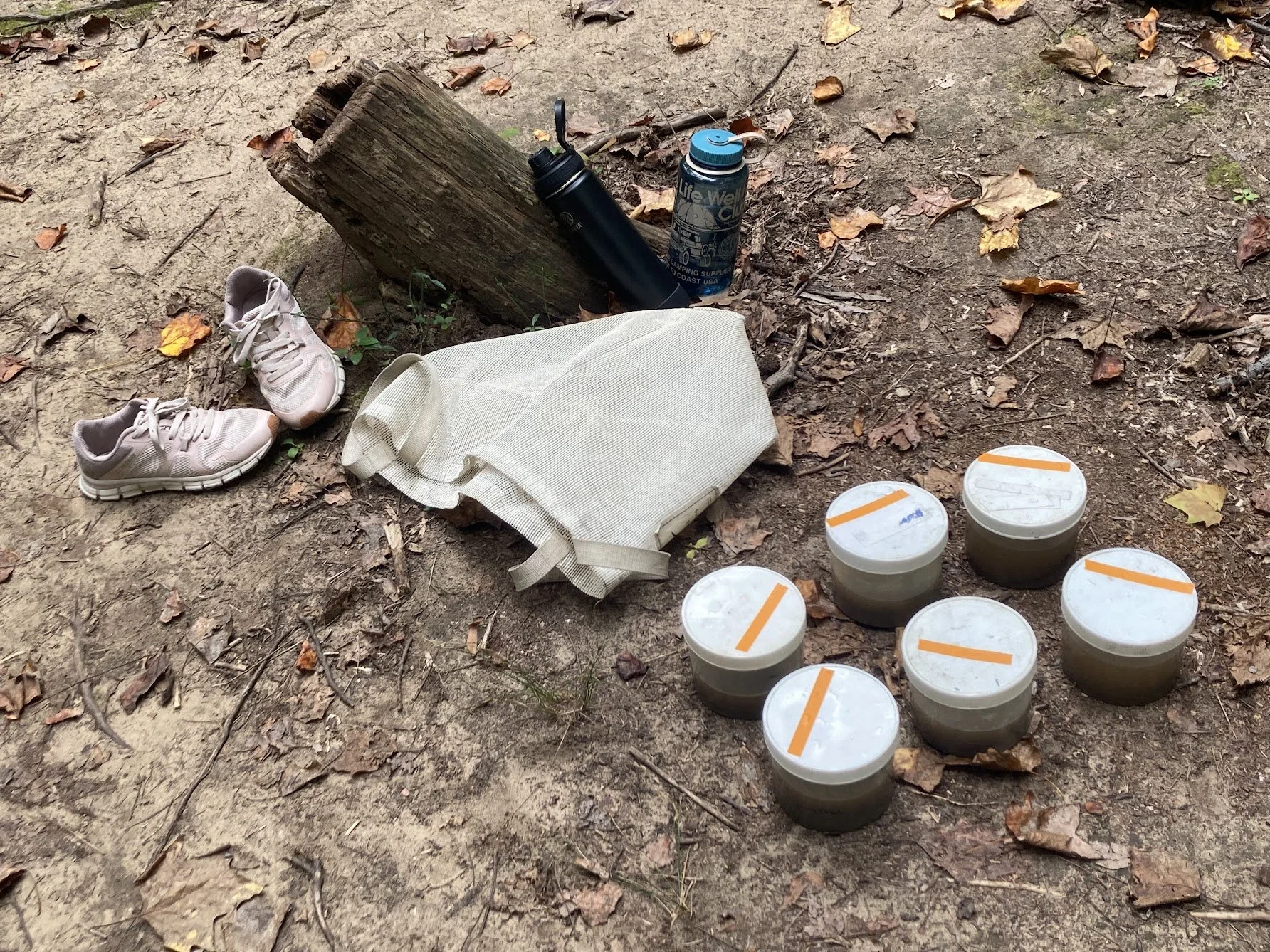
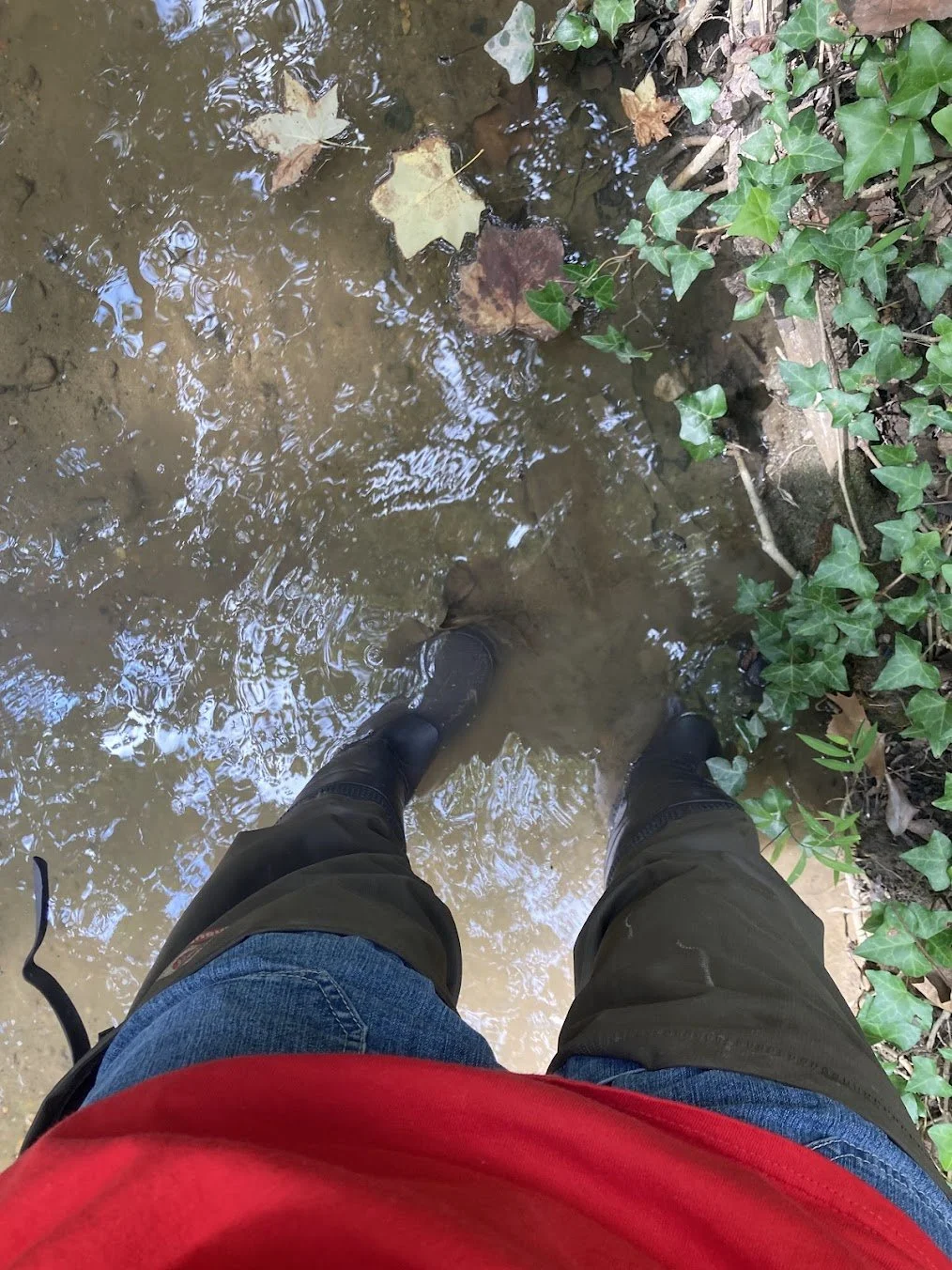
I collected local specimens of Pristina annelids from a small freshwater stream called Guilford Run on the campus of the University of Maryland in College Park, MD in September 2024. The worms were taken from sediment samples from the top few centimeters of the bottom of the small freshwater stream.
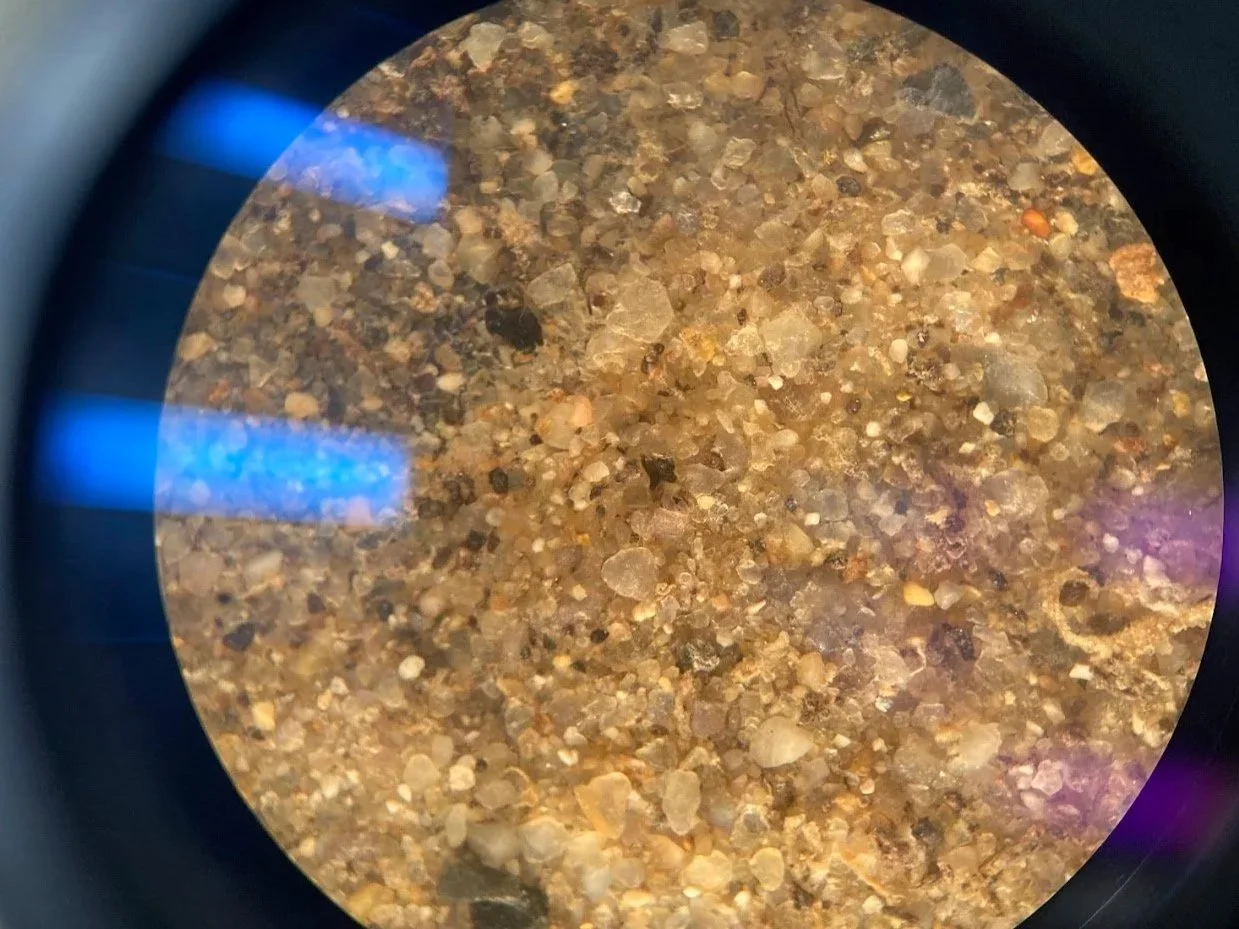
Freshwater meiofauna were extracted from the sediment using a swirl and decant method and a fine mesh sieve (53 micron). Sifted material was viewed using an Olympus SZ60 stereoscope. Worms were identified as Pristina based on size, behavior (a "piston-like" movement), and general appearance.
Key characteristics include the presence of fission zones (in asexually reproducing individuals) and dorsal chaetae beginning in the first segment, as well as light colored coelomocytes within the body coelom. A majority of Pristina species have a prostomium (anterior tip of the animal) that is extended into a proboscis, although there are several species which have a simple, blunt proboscis.
I collected a total of 21 Pristina individuals. These were imaged, sequenced, and analyzed in conjunction with specimens collected across the Potomac River Basin in 2018 and 2019 by the Bely lab (Corey Rennolds and Alexandra Bely) as well as specimens collected by the lab of our collaborator, Christer Erséus, primarily in Scandinavia.